



How to create the foundation for a strong security behavior and culture program

When CEOs fall for phishing attacks: what it teaches us about human risk

Smarter, not harder: how to scale security awareness with a small team

Why annual cyber attack simulation exercises don’t work (and what to do instead)

The missing link: why phishing defense keeps failing

The Secure Practice guide to keeping your small business secure

The Secure Practice playbook for cybersecurity training for managers

3 cybersecurity exercises that work (even if you’re low on time or budget)

3 marketing lessons that make cyber security hands-on training more effective

The next evolution of security awareness: personalized, predictive, and AI-driven

5 security habits we no longer teach (and what we do instead)

Embracing Product Development, MVP Style!

There’s no big green button: what security awareness automation can (and can’t) do

How to create security content people want to read (+ 6 tools to help)

The business case for security awareness training: how to prove ROI and win management support

Not everyone learns security the same way—so why do we teach it like that?

Why your incident preparedness strategy isn’t working (and what to do about it)

Show, don’t tell —

The heart of security: using the Think, Feel, Say, Do framework to create personal, effective training

Part 2: How to manage human risk without losing trust, hope, or your mind

Part 1: The human threat in cybersecurity: the true risk and how to mitigate it

The power of getting it wrong: how mistakes reduce human cyber risk

Now what? What to do after a cybersecurity exercise
How to evaluate a cybersecurity exercise
How to succeed with cybersecurity exercises

Measure and manage human cyber risk with Secure Practice

How privacy fits into Human risk management
Onboarding info for new MailRisk users
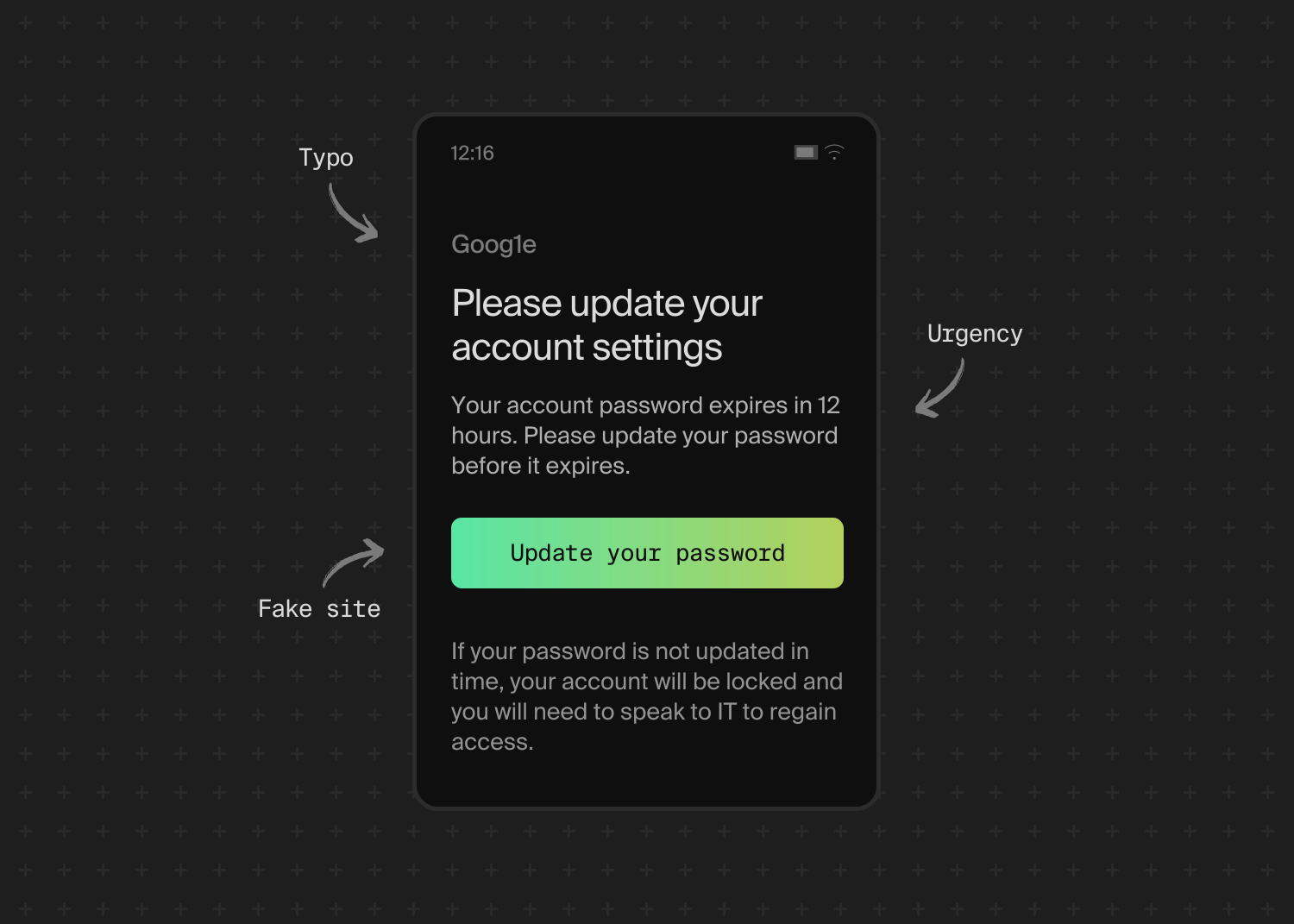
Simulated phishing: how to design a suitable scam

Simulated phishing: how to create a communication strategy
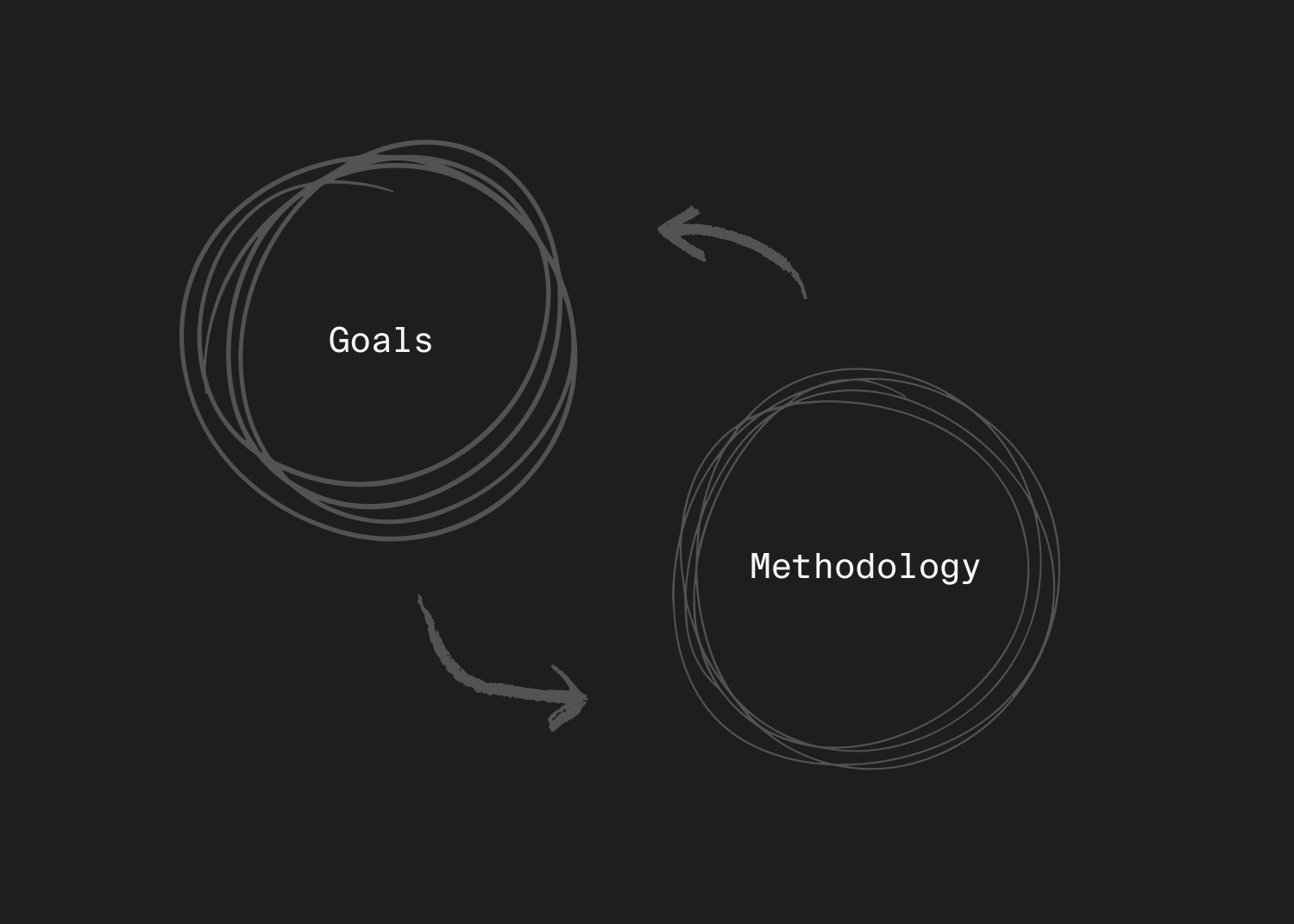
Simulated phishing: how to develop goals and methodology

How to succeed with security behavior change
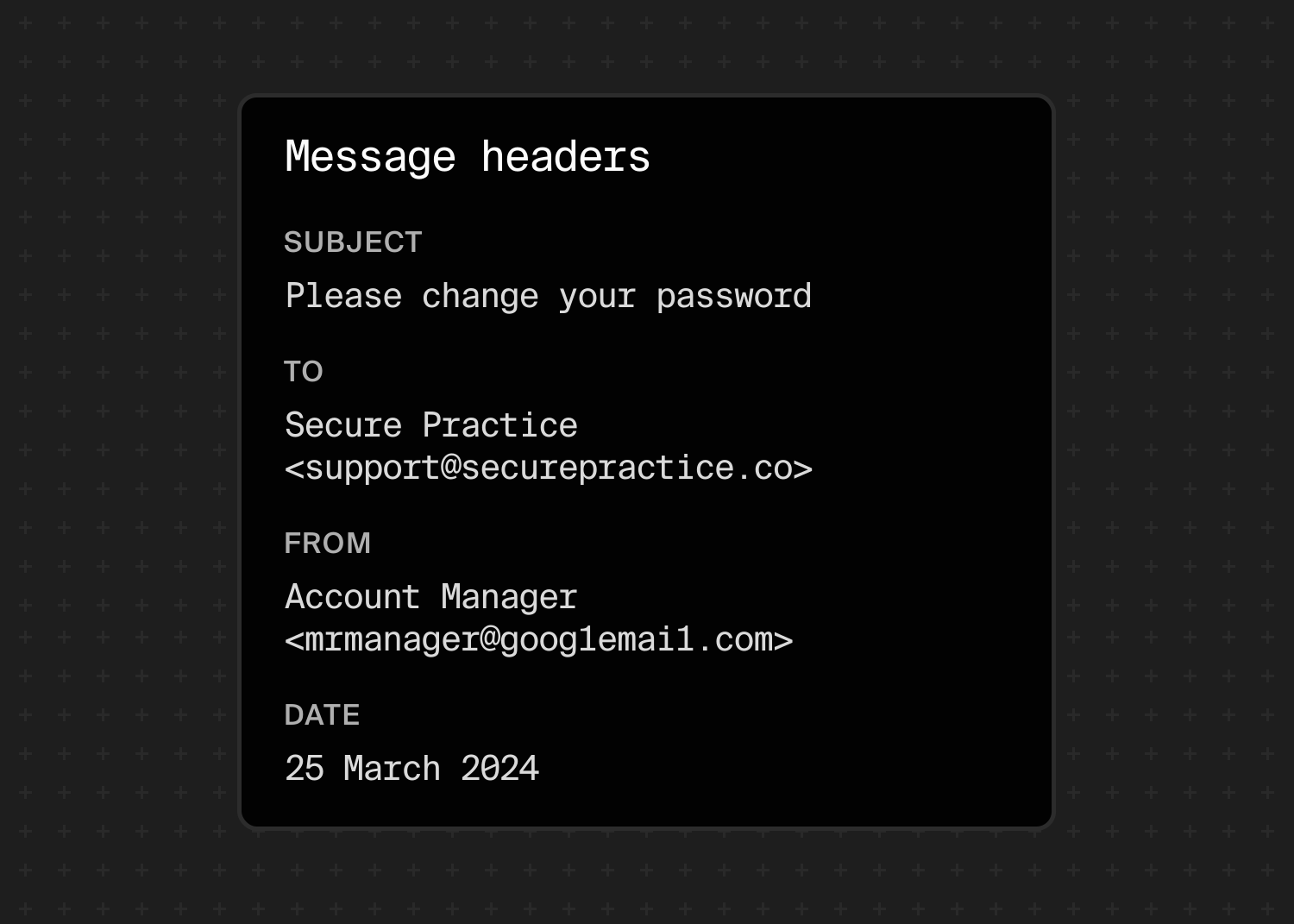
How to find email headers in Outlook
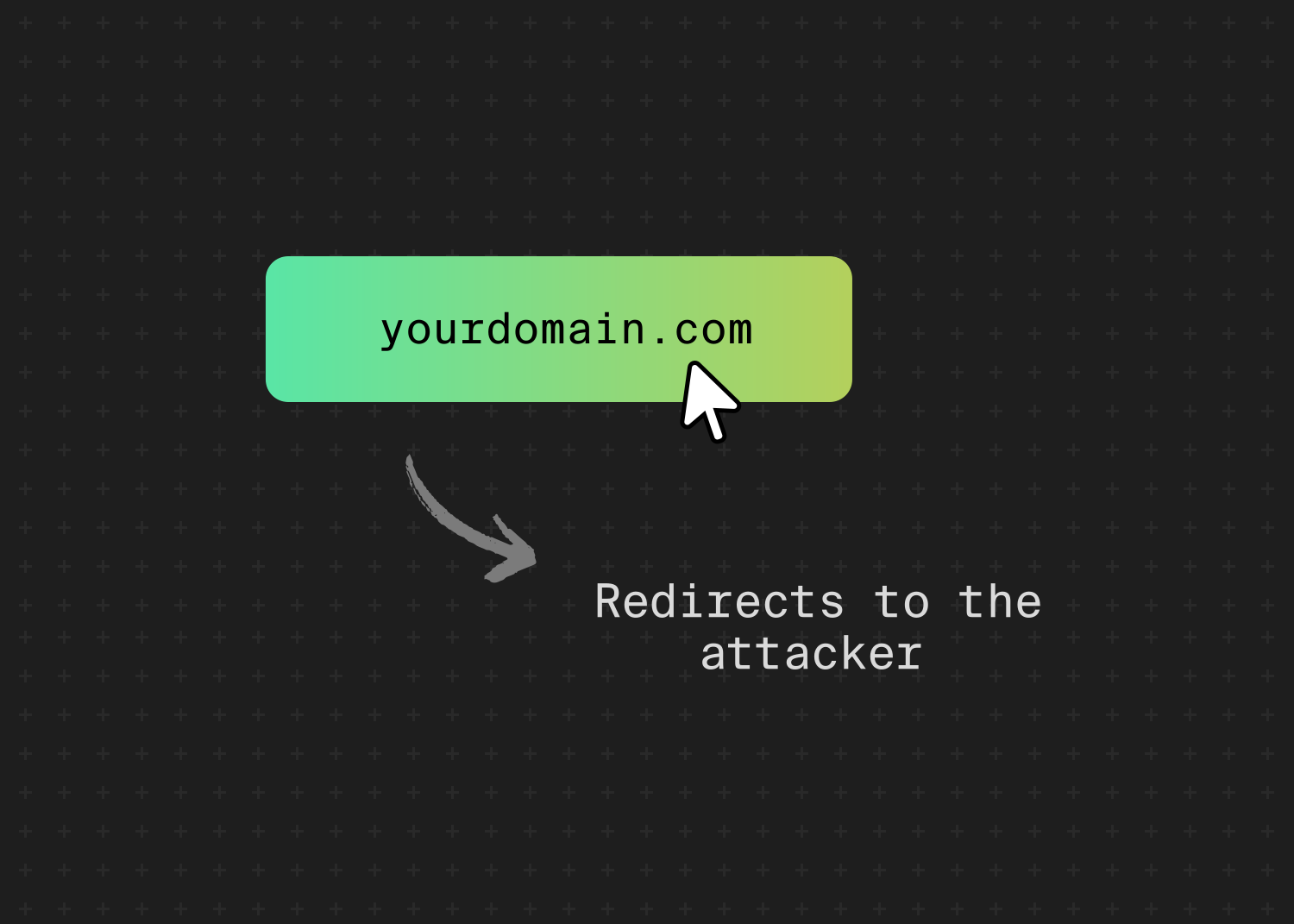
Evading suspicious email detection through abused redirect

Feeling the difference between human error and secure behavior

MailRisk wins the best new security product award
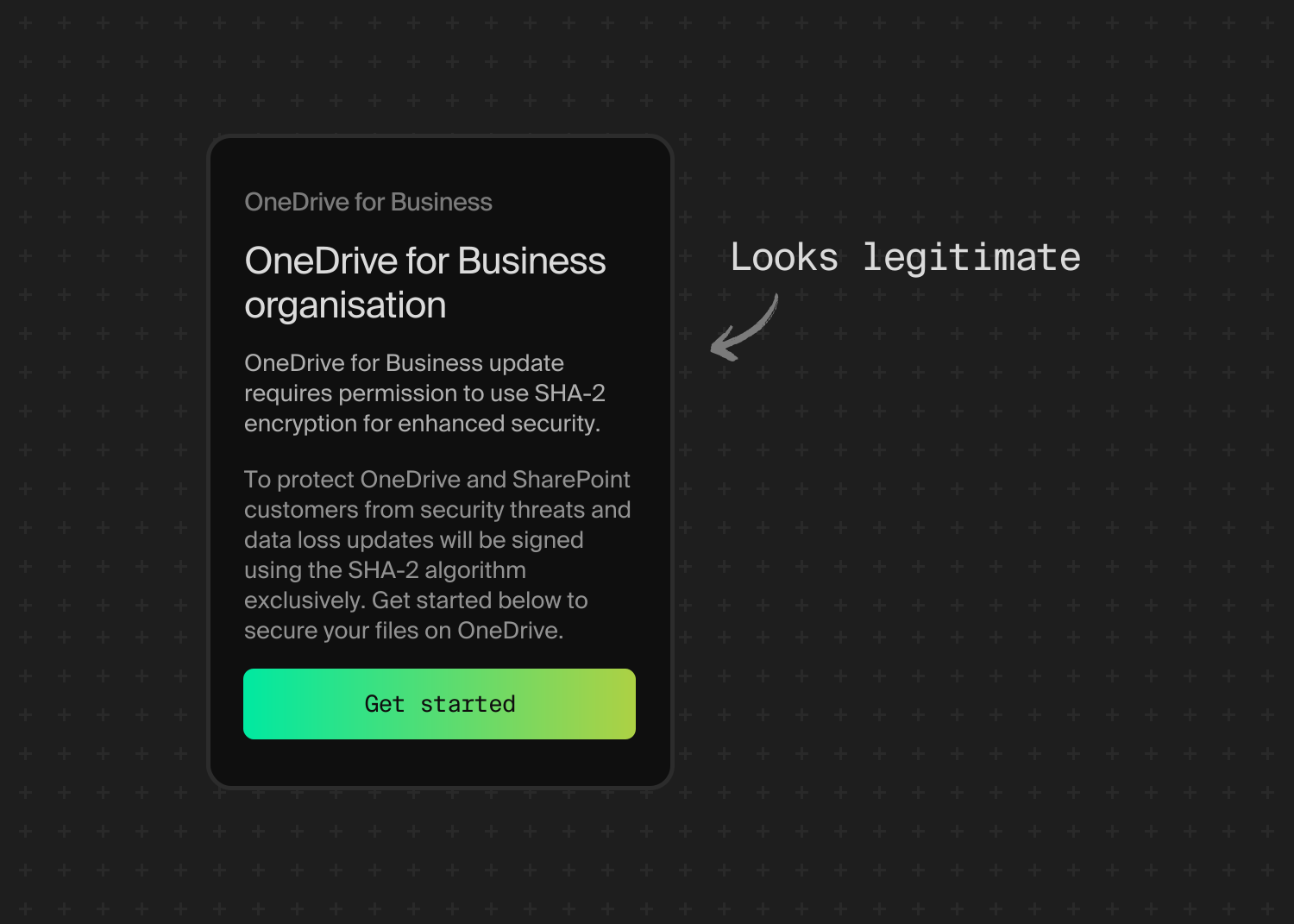
Phishing with Azure AD B2B Collaboration
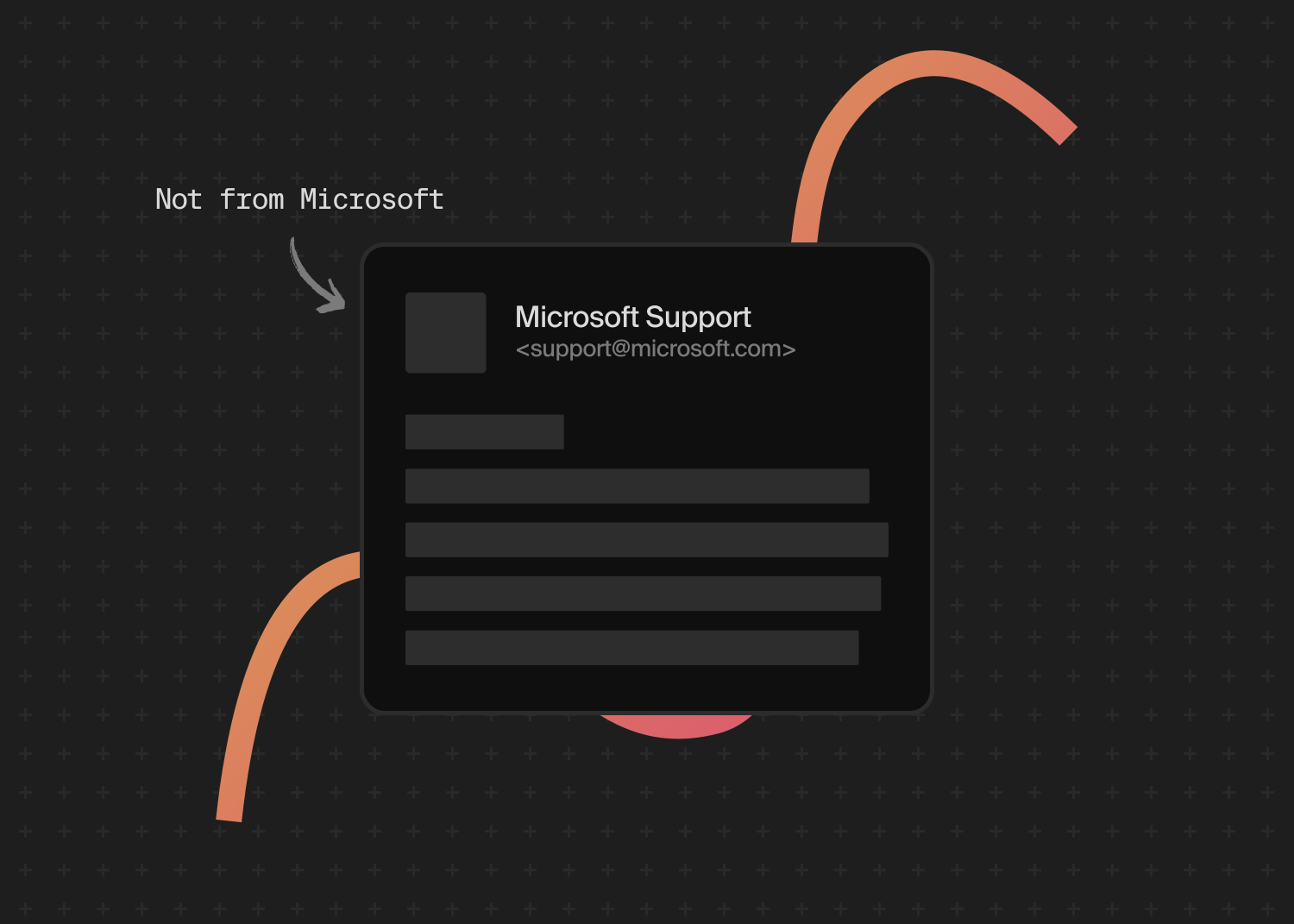
SPF shortcomings with Return-Path in spoofed emails

Secure software with OWASP Application Security Verification Standard

Experiences with simulated phishing
Psychological safety: how your work environment shapes cybersecurity culture
How to create the foundation for a strong security behavior and culture program
Why annual cyber attack simulation exercises don’t work (and what to do instead)
Smarter, not harder: how to scale security awareness with a small team
How to create the foundation for a strong security behavior and culture program
When CEOs fall for phishing attacks: what it teaches us about human risk
The missing link: why phishing defense keeps failing
Why annual cyber attack simulation exercises don’t work (and what to do instead)
The Secure Practice guide to keeping your small business secure
The Secure Practice playbook for cybersecurity training for managers
How to succeed with security behavior change
Discover what drives us
Find out what guides our daily practice and influences how we build our product and serve our community.